
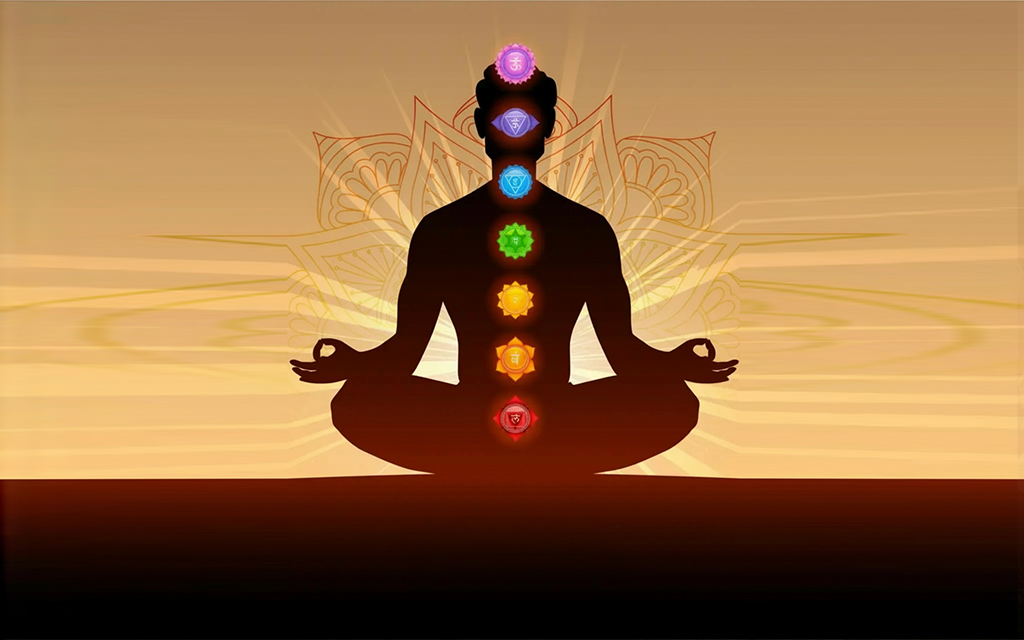
Embarking on a journey of self-discovery and inner peace through meditation and yoga can be transformative, especially for the beginner. This beginner’s guide is designed to gently introduce you to the profound benefits of these ancient practices, offering simple techniques and practical tips to integrate them into your daily routine. Whether you’re seeking stress relief, improved focus, or a deeper connection with yourself, meditation and yoga offer accessible pathways to enhance your well-being.
Understanding Meditation for Beginners
What is Meditation?
Meditation, at its core, is a practice of training your mind to focus and redirect your thoughts. For the beginner, it might seem daunting to achieve complete stillness, but meditation is more about gently guiding your attention back when it inevitably wanders. It’s not about emptying your mind, but rather observing your thoughts without judgment. Through consistent meditation practice, you can cultivate mindfulness, a heightened awareness of the present moment. Think of it like training a muscle; the more you meditate, the easier it becomes to quiet the mental chatter and find inner peace. It involves bringing your awareness to the present moment by observing the breath, bodily sensations, thoughts, or emotions that arise.
Types of Meditation for Beginners
Many different types of meditation exist, each with its unique approach to achieving a focused and calm state of mind. For the beginner, guided meditation is often a great starting point, using a narrator to lead you through visualizations and relaxation techniques. Experimenting with different types of meditation allows you to discover which resonates most with you and aligns with your personal goals, and allows you to achieve a state of inner peace.
Type of Meditation Description
Mantra Meditation Involves the repetition of a word or phrase, which can help anchor your attention and reduce mental distractions.
Mindfulness Meditation Focuses on observing your thoughts and feelings without judgment, fostering a greater sense of self-awareness.
Walking Meditation Involves paying attention to the sensations of walking, such as the contact of your feet with the ground, and can be integrated within any style of yoga.
The Benefits of Meditation
The benefits of meditation extend far beyond simply feeling relaxed. Regular meditation practice has been scientifically proven to reduce stress, improve focus and concentration, and promote emotional well-being. It can also enhance sleep quality, boost the immune system, and even lower blood pressure. For the beginner, even a 10-minute daily meditation routine can make a significant difference in overall health and well-being. By cultivating mindfulness, meditation empowers you to respond to life’s challenges with greater clarity and resilience. The practice of yoga, including yoga meditation, provides these benefits and more.
Getting Started with Meditation Practice
How to Meditate: A Step-by-Step Guide
For the beginner, starting a meditation practice can seem intimidating, but it’s surprisingly simple. First, find a quiet space where you won’t be disturbed, whether that’s a corner of your home or a peaceful spot outdoors. Assume a comfortable posture; you can sit on a cushion in a cross-legged position, sit on a chair with your feet flat on the floor, or even lie down. Close your eyes gently, or if that feels uncomfortable, soften your gaze and focus on a point in front of you. Bring your attention to your breath. Notice the sensation of the inhale and exhale, feeling the rise and fall of your chest or abdomen. When your mind wanders, as it inevitably will, gently redirect your focus back to your breath. The key for the beginner is not to judge yourself for having thoughts, but to acknowledge them and let them pass without engaging. Start with a 10-minute meditation practice and gradually increase the duration as you become more comfortable.
Guided Meditation for Beginners
Guided meditation is an excellent way for the beginner to ease into a meditation practice. These meditations typically involve a narrator who guides you through visualizations, breathing exercises, and relaxation techniques. There are numerous apps and online resources that offer a wide variety of guided meditations, catering to different preferences and goals. Some guided meditations focus on stress relief, while others aim to improve focus, cultivate gratitude, or promote self-compassion. For the beginner, it helps to experiment with different styles of guided meditation to find what resonates with you. As you become more experienced, you may find that you prefer unguided meditation, but guided sessions can be a valuable tool for deepening your practice and cultivating mindfulness. Many yoga studios will have guided meditation classes that can complement your yoga practice, as yoga meditation is also a common technique in the yogic community.
Creating a Meditation Routine
Establishing a daily meditation routine is crucial for reaping the full benefits of meditation. Consistency is key, so aim to meditate at the same time each day, even if it’s just for 10 minutes. Many practitioners find that meditating first thing in the morning sets a positive tone for the day, while others prefer to meditate in the evening to unwind and reduce stress before bed. Find a time that works best for your schedule and stick to it as much as possible. Consider incorporating meditation into your yoga practice, or practice yoga meditation. Don’t be discouraged if you miss a day or two; simply get back on track as soon as you can. Over time, meditation will become a natural part of your routine, providing a consistent source of inner peace and well-being. Remember that even a few minutes of meditation a day can make a significant difference in your overall quality of life. Starting a yoga practice alongside your meditation routine can also enhance your wellbeing, helping you connect your mind and body.
Introduction to Yoga for Beginners
What is Yoga?
For the yoga beginner, yoga is more than just physical poses; it is a holistic practice that unites the mind, body, and spirit. Rooted in ancient Indian philosophy, yoga encompasses a variety of techniques, including asanas (physical postures), pranayama (breath control), and meditation. The goal of yoga is to cultivate mindfulness and inner peace, reduce stress, and enhance overall well-being. Unlike a typical workout, yoga emphasizes the connection between movement and breath, encouraging you to be present in your body and tune into your inner sensations. Yoga is a practice that meets you where you are, regardless of your fitness level or flexibility. The beginner’s guide to yoga is designed to gently introduce you to this transformative practice, offering simple poses and techniques to integrate into your daily routine, possibly alongside your meditation practice.
The Benefits of Practicing Yoga
The benefits of practicing yoga extend far beyond physical fitness, offering a multitude of advantages for your mental, emotional, and spiritual well-being. Physically, yoga can improve flexibility, strength, balance, and posture. It can also reduce stress, relieve chronic pain, and boost the immune system. Mentally, yoga cultivates mindfulness, enhancing focus and concentration. The practice of yoga allows you to become more aware of your thoughts and emotions, fostering a greater sense of self-awareness and emotional regulation. Yoga can also promote relaxation and improve sleep quality. For the beginner, even a 10-minute daily yoga practice can make a significant difference in overall health and well-being. With consistent yoga practice, you can enhance your overall quality of life, possibly integrating yoga meditation into your routine for added inner peace.
Styles of Yoga: Choosing What’s Right for You
Many styles of yoga exist, each with its unique approach and emphasis. For the yoga beginner, it’s essential to explore different styles to find what resonates most with you. Experiment with different yoga classes, and maybe even a yoga studio. Each style offers unique benefits, so finding a style that suits your preferences and goals is important for enjoying your yoga practice.
| Yoga Style | Description |
|---|---|
| Hatha | Gentle and accessible practice that focuses on basic poses and breathwork. |
| Vinyasa | Links movement with breath in a dynamic and continuous sequence. |
| Restorative | Emphasizes deep relaxation and stress relief through passive poses held for longer periods. |
| Yin | Targets the deep connective tissues of the body, promoting flexibility and releasing tension. |



Basic Yoga Poses to Get Started
Essential Asanas for Beginners
For the beginner, some essential asanas can form the foundation of your yoga practice. These simple poses can be modified to suit your individual needs and abilities, making them accessible to all beginner yogis. Some of the essential asanas are described below:
| Asana | Benefits |
|---|---|
| Mountain pose (Tadasana) | Establishes a strong and grounded posture, promoting stability and alignment. |
| Downward-Facing Dog (Adho Mukha Svanasana) | Stretches the entire body, relieving stress and invigorating the mind. |
| Child’s Pose (Balasana) | A gentle resting pose that calms the nervous system and promotes relaxation. |
| Warrior poses (Virabhadrasana I, II, and III) | Build strength, stamina, and confidence. |
| Triangle Pose (Trikonasana) | Stretches the spine and hamstrings, improving flexibility and balance. |
| Seated Forward Fold (Paschimottanasana) | Calms the mind, reduces stress, and stretches the back of the legs. |
Proper Posture in Yoga Practice
Maintaining proper posture is crucial for maximizing the benefits of your yoga practice and preventing injuries. For the beginner, it’s essential to pay close attention to alignment and engage the correct muscles. In each pose, focus on lengthening the spine, opening the chest, and relaxing the shoulders. Engage your core muscles to support your lower back and maintain stability. Avoid forcing your body into positions that feel uncomfortable or painful. If you’re unsure about your posture, don’t hesitate to ask a yoga teacher for guidance. A yoga instructor can provide personalized feedback and adjustments to help you deepen your practice safely and effectively. Using yoga props, such as blocks and straps, can also assist you in achieving proper alignment and supporting your body in different poses. Remember, yoga is not about achieving perfect poses, but rather about cultivating awareness and honoring your body’s unique capabilities, even during meditation.
Incorporating Yoga Meditation into Your Practice
For the beginner, integrating yoga meditation into your yoga practice can deepen your experience and enhance the overall benefits. Yoga meditation involves focusing your attention on your breath, a mantra, or a visual image while holding a yoga posture. This practice combines the physical benefits of asanas with the mental and emotional benefits of meditation. Start by incorporating a few minutes of yoga meditation at the end of your yoga sequence, perhaps in a pose like Child’s Pose or Savasana (Corpse Pose). Gradually increase the duration of your yoga meditation as you become more comfortable. You can also try guided meditations specifically designed for yoga, which often include visualizations and affirmations to enhance relaxation and mindfulness. Yoga meditation provides a powerful tool for cultivating inner peace and promoting overall well-being, and can easily be integrated within your daily routine.
Managing Stress through Meditation and Yoga
How Meditation Reduces Stress
Meditation stands as a potent tool for the beginner seeking stress relief. The act of meditating, even for just a 10-minute period, can significantly calm the nervous system and induce a state of relaxation. Through consistent meditation practice, you cultivate mindfulness, allowing you to observe your thoughts and emotions without judgment. This practice helps to reduce stress by breaking the cycle of rumination and worry. The yogic approach often involves breath control or pranayama, which further enhances the calming effect of meditation. Regular meditation for beginners, especially a 10-minute routine, teaches you to respond to stressful situations with greater poise and clarity. Guided meditation and mantra meditation, in particular, are good starting points for the beginner who is finding relief from stress.
Using Yoga to Manage Stress Levels
Yoga practice provides a multifaceted approach to managing stress levels, complementing meditation perfectly. Certain yoga postures, such as Child’s Pose and Corpse Pose (Savasana), are specifically designed to reduce stress and promote relaxation. The practice of yoga combines physical movement with focused breath, which helps to release tension held in the body. Attending a classical hatha yoga class or trying restorative styles of yoga can be particularly beneficial for beginners looking to alleviate stress. Consistent yoga practice not only strengthens the body but also calms the mind. Styles of yoga such as hatha yoga will also incorporate meditation to heighten the effects of relief. The deep, controlled breathing involved in pranayama can also lower cortisol levels, the hormone associated with stress, thus further enhancing inner peace.
Mindfulness Techniques for Everyday Life
Integrating mindfulness techniques into your daily routine extends the benefits of meditation and yoga beyond your formal practice. Mindfulness involves paying attention to the present moment without judgment, whether you’re washing dishes, walking to work, or spending time with loved ones. For the beginner, start by focusing on your breath during everyday activities to cultivate a sense of grounding and presence. Try to observe your thoughts and emotions as they arise, without getting carried away by them. Incorporating short meditation breaks throughout the day can also help to reduce stress and enhance focus. By practicing mindfulness, you can transform ordinary moments into opportunities for inner peace and enhance your overall well-being. With practice, you can find relief from the daily stresses of life.
Conclusion
Embarking on a meditation and yoga practice can be a transformative journey for the beginner seeking inner peace and stress relief. By incorporating simple techniques, like guided meditation or basic yoga postures, into your daily routine, you can cultivate mindfulness, reduce stress, and enhance your overall well-being. Remember that consistency is key, so aim to meditate and practice yoga regularly, even if it’s just for 10 minutes. Don’t be discouraged by challenges or setbacks; simply approach your practice with patience and self-compassion. The benefits of meditation and yoga extend far beyond the physical, offering profound opportunities for personal growth and self-discovery. With dedication and perseverance, you can unlock your inner potential and create a life filled with greater joy, peace, and fulfillment.

Share This Story, Choose Your Platform!
LISTEN NOW

CAPTIVATING READS

Our blog is packed with articles and stories based around lifestyle, business, design and wellbeing. Subscribe now to get all of our updated directly to your inbox every week.