
Interest is one of the most powerful forces in personal finance. It can work for you when you’re saving and investing—or work against you when you’re carrying debt.
But not all interest is the same.
Credit card interest, mortgage interest, and savings interest all follow the same basic idea—you pay or earn a percentage on a balance—but they behave very differently in real life. Understanding the differences can help you decide:
- Which debt to pay off first
- When a mortgage can be “good debt.”
- How to make interest work in your favor instead of draining your future
Let’s break each one down in plain language and then compare which is better, which is worse, and what to do about it.
1. The Basics: What Is Interest, Really?

Interest is the cost of using someone else’s money—or the reward you get for letting someone else use yours.
- When you borrow, you pay interest.
- When you save or invest, you earn interest (or returns, which are similar in concept).
Interest is usually expressed as a percentage per year called the annual percentage rate (APR) or annual percentage yield (APY).
- APR is often used for loans and credit cards.
- APY is often used for savings accounts, because it includes compounding (earning interest on interest).
The math can get technical, but the key takeaway is simple:
- Higher interest on debt = more costly
- Higher interest on savings = more rewarding
Now, let’s look at how this plays out with credit cards, mortgages, and savings accounts.
2. Credit Card Interest: The Most Expensive Kind of Debt

If we line up different types of interest from “worst” to “best,” credit card interest is usually the worst from a consumer’s perspective.
How credit card interest works
- Credit cards come with very high interest rates, often 15%–30% APR.
- Interest is typically compounded daily—meaning the interest you don’t pay gets added to your balance, and you’re charged interest on that too.
- If you pay your full balance by the due date, most cards do not charge you interest for that period.
- If you carry a balance, interest starts adding up quickly.
Example:
You owe $3,000 on a credit card with a 20% APR, and you only pay the minimum, say 2% of the balance.
- You might pay for years.
- You could easily end up paying thousands in interest, not just the original $3,000.
Why credit card interest is so dangerous
- High rates: 20%+ interest means your balance can double in a few years if you only pay the minimum.
- Variable rates: Many cards have variable interest rates that can rise if general interest rates in the economy go up.
- Compounding: Because interest compounds frequently, small balances can grow surprisingly large if ignored.
When credit card interest is “worst.”
Credit card interest is “worst” when:
- You’re carrying a high balance for a long time.
- You’re only making minimum payments.
- You’re using cards to fund regular lifestyle expenses you can’t afford.
For most people, paying off high-interest credit card debt is one of the best financial moves they can make. Every dollar you pay off is like getting a guaranteed return equal to your interest rate. If your rate is 22%, paying off that debt is like earning a 22% return—risk-free.
3. Mortgage Interest: Expensive, But Not Always “Bad”
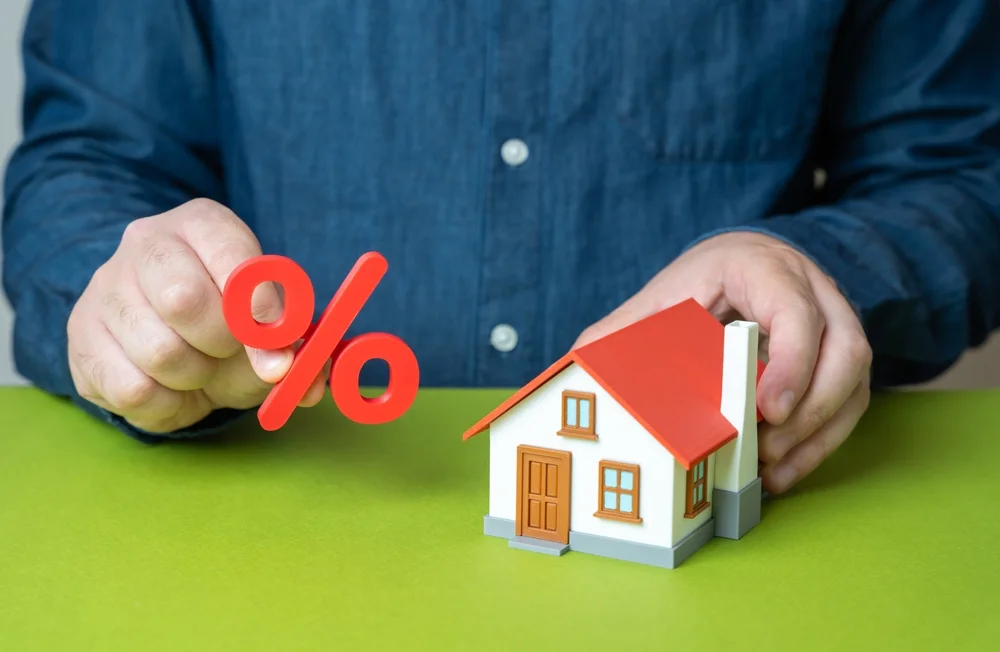
A mortgage is a loan to buy a home, and its interest rate is very different from that of a credit card.
How mortgage interest works
- Mortgage interest rates are much lower than credit card rates—often somewhere around 3%–8%, depending on the time period and your credit.
- Mortgages are usually secured debt: the home is collateral. Because of this, lenders charge lower rates.
- Interest is usually compounded monthly, and you pay it as part of your regular mortgage payment.
- In the early years of your mortgage, most of your payment goes to interest, not principal (the amount you actually borrowed).
Example:
Let’s say you borrow $300,000 at 5% interest over 30 years.
- Your monthly payment (principal + interest) is roughly $1,610.
- In the first year, the majority of each payment is interest.
- Over 30 years, you might end up paying hundreds of thousands in interest in total.
Why mortgage interest can be “better” than other debt
- Lower rate: 4–6% for a mortgage vs. 15–30% for a credit card.
- Long-term asset: You’re borrowing to buy something that can hold or increase in value—a home.
- Potential tax benefits (in some countries): Mortgage interest can sometimes be tax-deductible if you itemize deductions. (This depends on your location and tax situation—always check with a tax professional.)
When mortgage interest is still a problem
Mortgage interest can still be harmful when:
- You buy more house than you can afford, stretching your budget too thin.
- Your rate is very high and you don’t consider refinancing when rates drop.
- You take out risky products (like certain types of adjustable-rate mortgages) without fully understanding the terms.
Still, compared to credit card interest, mortgage interest is usually the “less bad” kind of interest—and often considered “acceptable” or even “good” debt if it supports stable housing and fits your budget.
4. Savings Interest: Interest Working For You

Now let’s flip the script. Instead of paying interest, what if you earn it?
How savings interest works
When you put money in a savings account, certificate of deposit (CD), or money market account, the bank pays you interest for letting it use your money.
- Interest rates on savings accounts are usually much lower than consumer debt rates.
- Traditional bank savings accounts may pay 0.01%–0.5%, while high-yield savings accounts might pay 3%–5% in some rate environments.
- Interest is often compounded daily or monthly, and added to your balance.
Example:
You put $5,000 into a high-yield savings account at 4% APY.
- After one year, you’d earn around $200 in interest.
- If you leave it there and the rate stays similar, the interest itself will start earning interest—that’s compound growth.
Why savings interest is usually “best”
- It grows your money: You’re earning, not paying.
- Low risk: Savings accounts are usually insured by governments up to a certain limit (like FDIC insurance in the U.S.).
- Liquidity: You can usually access the money relatively easily—perfect for an emergency fund.
The downside?
Savings interest rates are much lower than credit card or mortgage rates. That’s why:
- You can’t “save your way out” of high-interest debt while still carrying that debt.
- If you have a 20% credit card balance and your savings earns 3%, you’re going backward overall.
5. Which Is Better, Which Is Worse?
Let’s rank them from a typical personal finance perspective:
Worst: Credit Card Interest
- Very high rates (15%–30% or more).
- Often tied to short-term consumption (everyday spending, not assets).
- Easy to let balances grow if you’re only making the minimum.
- Should be paid off as fast as realistically possible.
In the Middle: Mortgage Interest
- Lower rates than credit cards.
- Tied to a long-term asset (your home).
- Payments are structured over decades.
- Can sometimes be refinanced at a lower rate.
- Considered “acceptable” debt if the payment fits your budget and home ownership is right for you.
Best: Savings Interest
- Earned, not paid.
- Helps grow your emergency fund and short-term goals with low risk.
- Especially useful when paired with:
- No or low high-interest debt.
- A consistent savings habit.
However, while savings interest is positive, it’s typically not high enough to outpace long-term inflation, so for long-term growth (like retirement), investing in assets like stocks, bonds, or index funds is usually necessary. But that’s a separate topic.
6. Practical Strategy: How to Make Interest Work for You

Knowing what’s better or worse is useful, but the real power comes from using that knowledge to shape your decisions.
Here’s a step-by-step strategy:
Step 1: Build a small emergency buffer
Even if you have debt, try to build a starter emergency fund—for example, $500–$1,000 in a savings account.
Why?
Without any cushion, every unexpected expense (car repair, medical bill) goes straight onto a credit card, which feeds the high-interest cycle.
Step 2: Attack high-interest credit card debt
Once you have a small buffer:
- List your debts with:
- Balance
- Interest rate
- Minimum payment
- Focus on paying extra toward the highest-interest debt first (often called the “debt avalanche” method).
- Keep paying the minimum on the others while directing every extra dollar toward that top-priority card.
- When it’s paid off, roll that payment into the next highest interest debt.
Why this works:
You’re getting rid of the most toxic interest first, which saves you the most money over time.
Step 3: Keep your mortgage manageable
If you own a home or plan to:
- Make sure your monthly payment fits your budget (ideally, your total housing cost is not overwhelming your income).
- If interest rates drop significantly below your current rate, explore refinancing to lower your payments or shorten your term.
- Consider extra principal payments if:
- You have no high-interest debt.
- You already have a healthy emergency fund.
- You’re also contributing to retirement.
Paying extra toward the mortgage reduces interest over the long term, but it should usually come after killing high-interest credit card debt and building some savings safety.
Step 4: Grow your savings interest and beyond
As your debts become more manageable:
- Build your full emergency fund:
- Usually 3–6 months of essential expenses.
- Keep it in a high-yield savings account if possible to maximize interest.
- Then, start focusing more on investing for the long term (retirement accounts, index funds, etc.), where your potential returns can be higher than savings account interest.
7. The Big Picture: Interest Is a Tool, Not the Enemy

It helps to think about interest like fire:
- In the wrong place—like credit card debt—it’s destructive and can burn down your financial house.
- In the right place—like savings and investments—it can keep you warm, safe, and growing.
To sum it up:
- Credit card interest: High, painful, and often tied to short-term spending. Prioritize paying this off fast.
- Mortgage interest: Lower, longer-term, and tied to an asset (your home). Manage it carefully; it can be part of a healthy financial plan.
- Savings interest: Modest but positive. It rewards you for being prepared and gives you stability.
The goal isn’t just to avoid all interest—it’s to avoid paying bad interest and maximize earning good interest.
Conclusion
Credit card interest, mortgage interest, and savings interest affect your finances in different ways and should be handled with distinct strategies. Credit card interest is typically the highest, compounded frequently, and offers no tax benefits—making it the top priority to eliminate. Mortgage interest is usually lower, may be tax-deductible for some borrowers, and is tied to long-term financing; managing it focuses on choice of term, interest rate, and potential refinancing when rates fall. Savings interest provides liquidity and safety but often yields returns lower than the cost of high-interest debt and may not keep pace with inflation.
In practice, prioritize building a small emergency fund while aggressively paying down high-interest credit card debt. Once high-rate debts are under control, balance additional mortgage principal payments, refinancing opportunities, and bolstering savings or investments according to your goals, tax situation, and risk tolerance. Regularly compare the effective after-tax cost of debt to expected after-tax returns on savings or investments to guide decisions.
Ultimately, the best approach depends on your interest rates, cash flow, tax considerations, and financial objectives—review your rates periodically, create a targeted plan (pay off high-cost debt, maintain adequate liquidity, and optimize long-term borrowing), and adjust as circumstances or market rates change.
About The Author / Blogger

Maya Rivera
Maya Rivera is a dynamic financial coach, motivational speaker, and communications expert devoted to empowering individuals to take control of their finances. With a focus on debt-free living, smart homeownership, and long-term wealth creation, Maya inspires others through practical strategies, powerful storytelling, and actionable financial guidance that transforms lives.
Share This Story, Choose Your Platform!
LISTEN NOW

CAPTIVATING READS

Our blog is packed with articles and stories based around lifestyle, business, design and wellbeing. Subscribe now to get all of our updated directly to your inbox every week.