
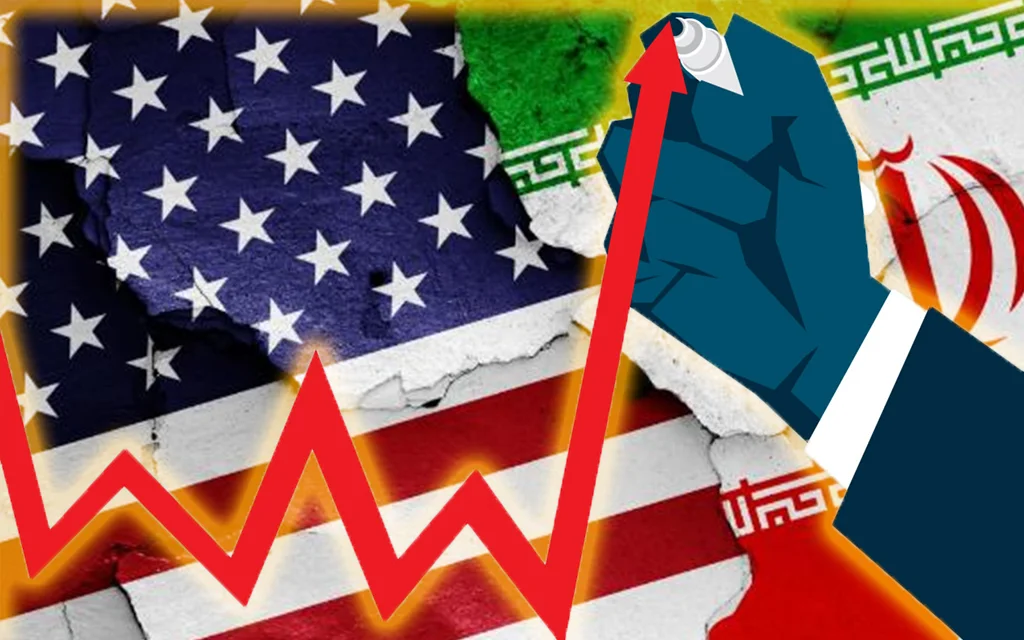
Delving into the potential economic ramifications of a hypothetical war with Iran requires a comprehensive understanding of the interconnected global systems that could be severely impacted. From the price of energy to the stability of international finance and the day-to-day cost of living for families across America, the consequences of such a conflict would be far-reaching. This exploration aims to dissect the intricate web of economic factors at play, providing clarity on the potential financial burdens and economic consequences that might arise should the U.S. engage in a war with Iran.
Understanding the Cost of War
The Financial Price Tag of the Iran War
Here’s a look at the financial price tag of a potential war with Iran, which extends far beyond initial military spending. The government would need to allocate substantial funds toward many efforts, including:
- Military operations
- The building of necessary infrastructure
- Emergency responses
The cost of war with Iran would affect national debt, potentially leading to increased borrowing and interest payments. Furthermore, the economic impact of such a conflict may affect the broader economic landscape of America, leading to uncertain times for businesses and citizens alike. The taxpayer would ultimately bear the burden through increased taxes or decreased government services to fund the war effort. The war’s price tag is a significant concern that needs to be carefully considered.
Opportunity Costs: What War Could Cost Us
Beyond the immediate financial outlay, it’s crucial to consider the opportunity costs of a war with Iran. The funds allocated to military spending could be used for other national priorities, such as improving healthcare, education, or infrastructure. This diversion of resources may affect long-term economic growth and societal well-being. For example, increased investment in renewable energy, an alternative to oil, could be hindered by a focus on military objectives. War spending comes at the expense of investment in other areas that could yield significant economic benefits and improve the overall quality of living for Americans. A responsible policy must weigh these opportunity costs carefully.
Comparative Analysis: The Iraq War vs. the Iran War
To better understand the potential economic impact of a war with Iran, a comparative analysis with the Iraq War is essential. The Iraq War provides a historical case study, illustrating the potential for prolonged military engagement, escalating war spending, and the destabilization of the Middle East region. The cost of the Iraq War provides insight. However, a war with Iran may present even greater challenges due to Iran’s larger population, more advanced military capabilities, and strategic location near the Strait of Hormuz. This critical waterway is vital for global oil transport, meaning attacks on Iran could have more drastic economic consequences than the Iraq War. The economic costs could be felt around the world.
Economic Impact on Energy
How War May Affect Oil Prices
A war with Iran could have a devastating impact on oil prices, potentially sending shockwaves through the global economy. The Strait of Hormuz, a critical choke point for global oil transport, is located near Iran. Any military conflict in the region may affect the flow of oil, leading to a significant rise in prices. This surge in energy costs would not only affect the price tag at the gas pump for families in America but also contribute to broader economic inflation. The cost of transporting goods would increase, which may affect grocery prices and other essentials. A responsible energy policy must consider these potential consequences of military action in the Middle East.
The Rise in Gas Prices: A Historical Perspective
Gas prices in America are susceptible to geopolitical events, including the prospect of war. Looking back at historical events like the Gulf War, the Iraq War, and the war in Afghanistan, we can see a clear connection between military conflict and energy costs. During these periods, gas prices often saw a dramatic rise due to uncertainty in the global oil market. If war began in Iran, we can expect a similar, or potentially even more severe, spike in gas prices. This is because Iran’s strategic location near the Strait of Hormuz makes it a crucial player in global energy security. A military crisis in the region can quickly translate into pain at the pump for ordinary citizens. It is necessary to protect citizens and families.
Energy Dependency and Its Economic Costs
America’s energy dependency has significant economic costs, especially when considering the potential for war. The financial implications of relying on foreign oil become amplified when military conflict disrupts supply chains and sends energy costs soaring. This reliance makes America vulnerable to geopolitical instability and economic shocks. To cope with the energy price impact of the war in Iran, a potential solution is to invest in alternative energy sources and reduce the nation’s dependence on foreign oil. By promoting energy independence, America can better protect its economy and household budgets from the economic consequences of military conflict. The government can implement policies to reduce dependency.
Financial Ramifications of War

The Impact on U.S. Interest Rates
A war with Iran could significantly affect U.S. interest rates. Increased government borrowing to fund war spending would affect the national debt and the demand for capital, potentially driving interest rates up. High interest rates may affect economic growth, making it more expensive for businesses to borrow money and invest. This tightening of credit conditions may affect consumer spending and investment, slowing economic expansion. The U.S. Federal Reserve may intervene to manage these impacts, but such interventions may have their own set of economic consequences. Careful fiscal policy is crucial during such uncertain times to maintain economic stability and protect families in America from excessive financial strain. The consequences can have a broader economic impact.
Financing the War: Budget Allocations and Debt
Financing the war with Iran would necessitate significant budget reallocations. A large portion of the national budget may be diverted to military spending, specifically affecting:
- Operations
- Infrastructure
- Emergency responses
This shift may affect funding for other essential government services, such as education, healthcare, and infrastructure development. The government may also need to increase borrowing, leading to a rise in the national debt and interest payments. This increased debt burden can affect the long-term financial stability of the U.S. and potentially lead to higher taxes or reduced government services in the future. The taxpayer would ultimately bear the burden of these financial decisions, so a responsible approach to budget allocations is vital.
Effects on Global Financial Markets
The global financial markets would feel the impact of a war with Iran. Increased uncertainty and geopolitical risks could lead to volatility in stock markets, currency exchange rates, and commodity prices. Investors may move their assets to safer havens, such as gold or U.S. Treasury bonds, leading to capital flight from emerging markets. The war may affect international trade and investment flows, disrupting global supply chains and economic activity. Financial institutions with exposure to the Middle East region may face increased risks. The rise of financial crisis may affect the global financial system, so international cooperation is essential to mitigate these potential disruptions. The start of the war can have a serious economic consequence.
Cost of Living During Wartime

How War Could Affect Daily Living Expenses
Here’s how war could impact the daily expenses of American families, influencing several key areas:
- The rise of energy costs and gas prices would directly affect the price to commute, heat homes, and transport goods.
- The cost of groceries and other essential items may also increase due to supply chain disruptions and inflation.
Families may need to cut back on discretionary spending and make difficult financial choices. The economic strain could be particularly challenging for low-income households and those on fixed incomes. The government may implement policies to provide assistance to those in need, but the overall cost of living during wartime is likely to rise for many Americans.
The Rising Cost of Living: A Case Study
To illustrate the potential impact on the cost of living, consider the Iraq War as a case study. During that period, gas prices rose significantly, and inflation increased, affecting household budgets across America.
Families saw their purchasing power decline as the cost of essential goods and services increased. The economic uncertainty led to decreased consumer confidence and spending. A war with Iran could result in similar or even more pronounced economic consequences, especially if the Strait of Hormuz is disrupted, leading to a significant surge in energy costs. Protecting families during the Iraq War period was challenging, highlighting the importance of proactive policies to mitigate economic strain during wartime.
Strategies for Coping with Economic Strain
Coping with the economic strain of war requires a combination of individual strategies and government support. Individuals can take steps to manage their budgets, reduce spending, and find ways to increase their income. Families may consider delaying major purchases, reducing energy consumption, and seeking financial assistance programs. The government can help by implementing policies to stabilize the economy, provide unemployment benefits, and offer assistance to low-income households. Investing in education and job training programs can also help citizens cope with the economic challenges of war. With proactive planning and responsible fiscal management, families and communities can weather the economic storm. A solution to cope is to protect current income.
Future Implications of the Iran War
Long-term Economic Impact on Iran
The long-term economic impact of a potential war with Iran is dire, considering the existing state of Iran’s economy. Even without war, the Iranian economy is struggling due to international sanctions and internal economic mismanagement. A war could destroy critical infrastructure, including oil facilities, manufacturing plants, and transportation networks. Such destruction can dramatically affect Iran’s ability to export goods, further isolating it from the global market. The cost to rebuild infrastructure would be enormous. The economic devastation may be severe and long-lasting, affecting generations of Iranians. The price to pay would be a collapse of the financial system, leading to hyper-inflation and widespread poverty. The government may try to cope with the crisis, but they do not.
Potential Changes in U.S. Foreign Policy
A war with Iran could lead to significant changes in U.S. foreign policy in the Middle East and beyond. The economic and political impact of the war would force the U.S. to reassess its strategic interests and alliances in the region. One potential change would be a greater emphasis on containing Iran’s regional influence, potentially leading to increased military presence and support for allies in the area. The U.S. may seek to strengthen its relationships with countries like Saudi Arabia, Israel, and other nations that view Iran as a threat. Another consequence would be a renewed focus on energy security, as the war highlights the vulnerability of global oil supplies and the need to diversify energy sources. Any new policy would have a price.
What History Teaches Us About War and Economics
History is filled with lessons about the complex relationship between war and economics. The Iraq War and the war in Afghanistan, for example, demonstrate the enormous financial cost of prolonged military engagements and the economic strain they place on governments. These conflicts led to increased national debt, higher taxes, and decreased spending on domestic programs. The Gulf War also showed how military conflict can disrupt global energy markets, leading to soaring oil prices and inflation. History also highlights the importance of fiscal responsibility and proactive economic planning to mitigate the negative economic consequences of war. As these wars show, the economic impact can affect everything from gas prices to household budgets. The economic impact of attacks on Iran are not to be taken lightly.
Conclusion

In conclusion, a war with Iran carries immense economic risks that could affect the global economy and the daily living expenses of families in America. The cost of war extends far beyond military spending, encompassing higher energy costs, financial market volatility, and increased inflation. America’s energy dependency on foreign oil exacerbates these vulnerabilities, making the U.S. susceptible to price spikes and supply disruptions. It’s vital to protect citizens from the broader economic impact. Responsible government policy must prioritize energy independence, fiscal prudence, and international cooperation to mitigate the economic consequences of war. Understanding and addressing these potential economic impacts is essential to safeguarding the financial well-being of America and its citizens.
About The Author / Blogger

Maya Rivera
Maya Rivera is a dynamic financial coach, motivational speaker, and communications expert devoted to empowering individuals to take control of their finances. With a focus on debt-free living, smart homeownership, and long-term wealth creation, Maya inspires others through practical strategies, powerful storytelling, and actionable financial guidance that transforms lives.
Share This Story, Choose Your Platform!
LISTEN NOW

CAPTIVATING READS

Our blog is packed with articles and stories based around lifestyle, business, design and wellbeing. Subscribe now to get all of our updated directly to your inbox every week.