

Deciding whether to rent or buy a home is one of the biggest financial decisions most people make. It involves considering numerous factors, from your current financial situation to your long-term goals. This decision isn’t just about numbers; it’s also about lifestyle, stability, and personal preferences. A rent vs buy analysis can help you understand the financial implications, but ultimately, the right choice depends on your unique circumstances.
Understanding the Basics of Rent and Buy
Defining Renting a Home
Renting a home means paying a monthly rent to a landlord or property manager in exchange for the right to live in their property. As a renter, you’re not responsible for property tax, maintaining the home, or most major repairs. The cost of rent typically covers the use of the living space and sometimes includes utilities. Choosing to rent provides flexibility, especially if you don’t plan to stay in your home for an extended period or prefer not to handle home maintenance tasks. The decision to rent often hinges on immediate financial considerations and lifestyle preferences.
What Does It Mean to Buy a House?
To buy a house signifies owning a property, granting you the rights and responsibilities of a homeowner. This involves obtaining a home loan, usually in the form of a mortgage, and making monthly mortgage payments. In addition to the monthly mortgage, owning a home includes costs like property tax, insurance, and maintaining the home. Buying a house allows you to build equity over time as you pay down the mortgage and the home value appreciates. The cost of buying extends beyond the initial home purchase, encompassing ongoing expenses that renters typically don’t encounter.
Key Differences Between Renting and Owning
The key differences between renting and owning extend far beyond the monthly payment. Renting a home involves a fixed monthly rent and limited responsibility for maintaining the home, offering financial predictability in the short term. Buying a home, on the other hand, entails a significant upfront investment and ongoing expenses but offers the potential to build equity and benefit from home value appreciation. Renting may be the better option for those seeking flexibility, while owning a home provides stability and the chance to accumulate wealth over time, assuming the housing market conditions are favorable. An individual’s financial situation is critical when deciding whether to rent or buy a home.
Cost Analysis: Rent vs Buy
Calculating the Cost of Renting a Home
Calculating the cost of rent involves more than just the monthly rent payment. It’s essential to consider other expenses such as renter’s insurance, which protects your personal belongings, and utility costs if they aren’t included in the monthly rent. A thorough calculation will also factor in any upfront costs like a security deposit or first and last month’s rent. Choosing to rent may appear cheaper upfront because it avoids the large initial investment required to buy a house. However, the cost of rent over several years can accumulate significantly, offering no opportunity to build equity or benefit from home value appreciation. The decision to rent or buy should always involve a careful assessment of these short-term and long-term financial implications, keeping in mind that renting may be a better option for some.
Understanding the Cost of Buying a Home
Understanding the cost of buying a home extends beyond the home price. A significant part of the cost lies in the initial down payment, which can range from 3% to 20% of the home price, depending on the type of home loan and your financial situation. There are also closing costs, which include fees for appraisals, title insurance, and loan origination. Once you own the home, there are ongoing expenses such as property tax, homeowner’s insurance, and maintenance costs. The monthly mortgage payment is a major part of the cost, and it includes both principal and mortgage interest. Accurately estimating these costs is crucial to determining whether owning a home fits within your budget. Buying a house is a long-term investment, and understanding all the associated costs is essential for making a sound financial decision.
Using a Buy Calculator for Accurate Estimates
A buy calculator can help estimate the true cost of buying a home, providing a clearer picture than a simple comparison of monthly rent vs monthly mortgage payment. These tools factor in property tax, insurance, potential home improvements, and even tax deductions related to mortgage interest. A buy calculator can also illustrate how much you might build equity over time and project potential home value appreciation based on housing market trends. Using a calculator is a crucial step in a rent vs buy analysis because it allows you to compare the long-term financial implications of owning a home versus renting. These calculators will help show whether owning versus renting is a better decision. For a more detailed analysis, explore resources like the Zillow home affordability calculator, which further refines the calculation based on specific financial inputs and local market conditions, giving prospective buyers the chance to better their financial decision.
Pros and Cons of Renting vs Owning
Advantages of Renting a Home
One of the primary advantages of renting a home is flexibility. Renting may be ideal if you prefer not to stay in your home long-term. You’re not tied down by a mortgage and the responsibilities of home ownership. Choosing to rent often means lower upfront costs. You typically only need to cover a security deposit and the first month’s rent. Plus, as a renter, you avoid property tax, major home improvements, and significant maintenance costs. This can make renting a better option if you value financial predictability and don’t want the financial burden of unexpected repairs. The decision to rent provides an easier way to manage your monthly payment since the monthly rent is typically fixed.
Benefits of Owning a Home
Owning a home offers several financial and personal benefits. One of the most significant advantages is the opportunity to build equity over time. As you make monthly mortgage payments, you increase your home equity, essentially building wealth. Home value appreciation can further enhance your investment. Owning a home also provides stability and a sense of belonging. Homeowners can customize their living spaces to reflect their personal tastes, something often restricted when renting. Additionally, owning a home can provide tax deduction benefits through itemizing mortgage interest payments, making it potentially cheaper than renting in the long run, depending on your financial situation and mortgage terms. Moreover, owning versus renting may lead to better financial outcomes as home ownership often encourages disciplined financial planning.
Potential Downsides of Each Option
Both renting and buying a home have potential downsides. For renters, the money spent on rent doesn’t build equity. A renter sees no return on their monthly rent payments. Renting a home provides no long-term financial benefit. Also, renters are subject to the landlord’s rules. Renting may not allow you to make significant changes to the property. On the other hand, owning a home can come with unexpected costs, such as major repairs or property tax increases. These costs can strain your financial situation. If the housing market declines, your home value can decrease, potentially leaving you with less home equity than you initially invested. It’s important to carefully weigh these pros and cons of renting when deciding whether renting is better.
Deciding Whether to Rent or Buy a Home

Factors to Consider in Your Decision
When deciding whether to rent or buy a home, several factors beyond just the monthly rent or mortgage payment come into play. Your financial situation is paramount; assess your income, debts, and savings. Consider your long-term plans. Do you plan to stay in your home for at least 7 years? Buying a home typically becomes financially advantageous over time due to home value appreciation and the potential to build equity. Evaluate the local housing market. Is it a buyer’s or seller’s market? The state of the market can significantly impact your home purchase and long-term investment. Ultimately, the decision to rent or buy should align with your personal and financial goals.
Real-Life Examples of Renting vs Buying
Consider two individuals: Sarah and John. Sarah, a young professional, values flexibility and doesn’t want to worry about maintaining the home. Choosing to rent, she pays a fixed monthly rent. She avoids property tax and maintenance expenses. John, on the other hand, desires stability and views owning a home as an investment. He secures a home loan with a fixed-rate mortgage, anticipating that home value will rise over time. After 7 years, John has significantly built equity. Sarah has paid a considerable amount in rent. John’s home is now worth more than his original home price. These real-life examples highlight how the decision to rent or buy a home is tied to individual goals and financial circumstances.
Mindset Shift: Viewing Homeownership as an Investment
Shifting your mindset to view owning a home as an investment can transform your approach to the rent vs buy a home decision. Instead of only thinking of buying a house as an expense, consider it as an opportunity to build equity and accumulate wealth over time. This long-term view involves recognizing that mortgage payments contribute to home equity. You’ll also benefit from potential home value appreciation. Even home improvements can increase your home value and offer tax deduction benefits. Embracing this mindset can make owning versus renting a more attractive option, especially if you anticipate staying in your home for an extended period. By 2026, with careful calculation, buying a home could be your better option.
Conclusion: Is it Better to Rent or Buy?
Summarizing Key Takeaways
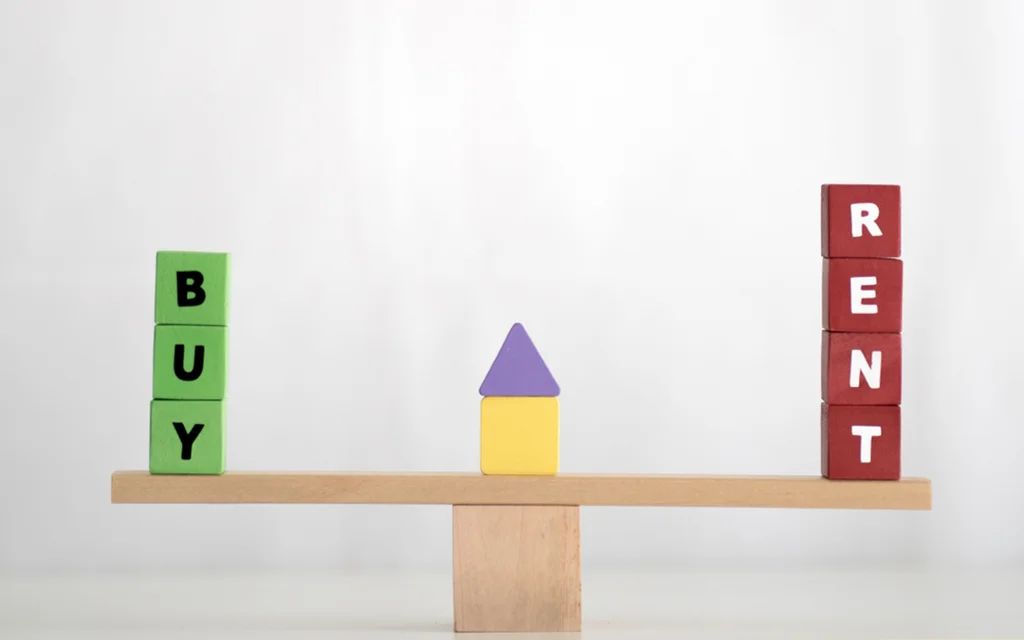
The rent vs buy analysis reveals that whether it’s better to rent or buy depends on your individual circumstances. Renting may offer flexibility and lower upfront cost. Owning a home builds wealth through home equity and home value appreciation. A buy calculator can help estimate the true cost of buying, while understanding your financial situation is crucial. Consider owning versus renting in light of your personal goals and long-term financial plans. The decision to rent or buy a home hinges on a balanced assessment of the pros and cons of renting and owning. Remember, this decision is a personal choice and there is no one-size-fits-all answer.
Encouraging a Thoughtful Decision-Making Process
Take the time to make a well informed decision to rent or buy. Utilize a buy calculator can help to assess the financial implications of owning a home versus choosing to rent. Explore various mortgage options and understand the terms of a home loan. Review your budget and financial goals. Consult with financial advisors to gain personalized insights. Don’t rush into the decision. Carefully weigh the advantages and disadvantages of both owning versus renting. Consider how each option aligns with your lifestyle and long-term aspirations. A thoughtful approach ensures you make the choice that best fits your needs and sets you up for financial success. Renting and buying aren’t a single answer.
Resources for Further Analysis and Help
Several resources can aid your rent vs buy analysis. Explore online buy calculators, such as the Zillow home affordability calculator, for personalized estimates. Consult with real estate professionals. They can provide insights into the local housing market. Seek advice from financial advisors to assess your financial readiness for owning a home. Consider taking a homebuyer education course to learn more about the home buying process. These resources can empower you to make a well-informed decision, whether you buy a house, continue renting a home, or take time away from both to build your savings. Buying vs renting may have different outcomes. Owning versus renting a home isn’t as simple as what the math seems to be.

Share This Story, Choose Your Platform!
LISTEN NOW

CAPTIVATING READS

Our blog is packed with articles and stories based around lifestyle, business, design and wellbeing. Subscribe now to get all of our updated directly to your inbox every week.