

Deciding whether to lease or buy a car is a significant financial decision with long-term implications. Both options have their advantages and disadvantages, and the best choice depends on your individual circumstances, financial goals, and lifestyle. Understanding the pros and cons of leasing and buying can empower you to make an informed decision that aligns with your needs and helps you manage your money effectively. Let’s delve into the details to help you determine the best way to acquire your next car.
Understanding Car Leasing

What is a Car Lease?
A car lease is essentially a long-term rental agreement. Instead of buying a car, you pay for the use of the vehicle for a specific lease term, typically two to three years. At the end of the lease term, you return the car to the leasing company. Think of it as borrowing the car for a defined period, paying only for the depreciation that occurs during your use. The lease payment is calculated based on the expected value of the car at the start and end of the lease, plus interest and fees. Leasing offers an alternative to traditional car ownership, allowing you to drive a new vehicle without the commitment of buying a car.
Benefits of Leasing a Car
One of the key benefits of leasing a car is the potential for lower monthly payments compared to financing a car loan. Since you’re only paying for the depreciation during the lease term, the monthly payment can be significantly less than if you were to buy a car. This affordability makes it easier to drive a newer, potentially more expensive car than you might otherwise afford. Leasing also allows you to drive a new car more frequently, enjoying the latest technology and features every few years. Furthermore, leasing often includes maintenance coverage, reducing your out-of-pocket costs for repairs. The pros and cons of leasing must be understood to see the true benefits of leasing a car.
Common Lease Terms Explained
Understanding the common lease terms is crucial when considering a car lease. Here’s a breakdown of some key terms:
| Lease Term | Description |
| Lease Term | The length of the lease agreement, usually expressed in months. |
| Monthly Payment | The amount you pay each month to lease the car. |
| Mileage Allowance | Specifies the maximum number of miles you can drive per year without incurring additional charges. |
| Residual Value | The predicted value of the car at the end of the lease term, which affects your lease payment. |
| Lease Early Termination Fees | Fees that apply if you end the lease before the end of the lease term. The lease contract will specify what the percentage of the fee is. |
It is important to know what you are paying for and not throw money away by not understanding the lease agreement.
Buying a Car: An Overview
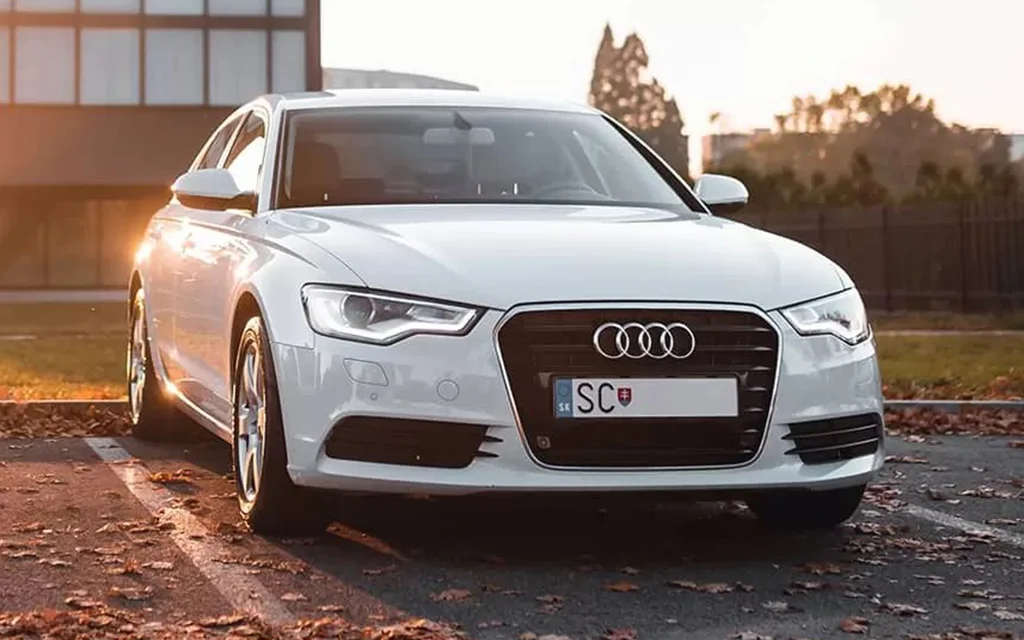
What Does it Mean to Buy a Car?
Buying a car signifies full ownership of a vehicle. Unlike leasing, where you essentially pay for the car use over a specific lease term, when you buy a car, you own it outright. This means that after you’ve made all your car payments, the car is yours to keep, modify, or sell. Buying a car means taking on the responsibility of depreciation, maintenance, and potential repairs, but it also provides the freedom to drive as much as you want without mileage restrictions. Buying a car also usually entails securing a car loan, which involves interest charges and can significantly increase the total cost of the car, so it’s essential to use a car payment calculator and understand all the costs involved.
Pros of Buying a New Car
One of the primary pros of buying a new car is the pride of ownership. The car gives you the freedom to customize and modify it as you see fit, something you can’t do with a leased car. When you buy a new car, you also benefit from the latest technology, safety features, and warranty coverage, providing peace of mind. Additionally, there are no mileage restrictions, allowing you to drive as much as you need without incurring extra charges. Over time, you build equity in the car, and once the car loan is paid off, you own an asset that you can sell or trade-in. The decision to buy a new car offers the best long-term value if you plan to keep the vehicle for many years.
Cons of Buying a Car
Buying a car also comes with its share of cons. One of the most significant drawbacks is the initial cost, which is generally higher than the upfront expenses associated with leasing. The value of your car depreciates quickly, especially in the first few years, meaning that the value of the car decreases. You are also responsible for all maintenance and repair costs, which can add up over time. Furthermore, financing a car loan involves interest charges, increasing the total cost of owning the vehicle. The pros and cons of buying a car must be weighed carefully to determine if it aligns with your financial goals and lifestyle. If affordability is a major concern, leasing could be a better option.
Comparing Leasing and Buying

Monthly Payments: Lease vs. Buy
When comparing monthly payments, the monthly lease payment is typically lower than monthly car payments when you finance a car. This is because when you lease a car, you’re only paying for the depreciation of the car during the lease term, not the entire cost of the car. However, it’s crucial to consider the total amount you’ll pay for the car over the lease term, including any down payments, fees, and potential penalties. On the other hand, when you buy a car, your monthly payments are higher, but you’re building equity in the new car and own it after you’ve completed the car payments.
Ownership and Equity Considerations
Ownership is a key differentiator between leasing and buying. When you buy a car, you gain immediate ownership and the freedom to customize, modify, and sell your car as you please. You’re also building equity over time, which can be valuable if you plan to keep the car for an extended period. In contrast, when you lease a car, you don’t own it. You’re essentially renting the new vehicle for the lease term, and at the end of the lease, you must return the car to the leasing company unless you decide to buy the car at its residual value.
Long-term Financial Implications
The long-term financial implications of leasing and buying are significant. While leasing a car may offer lower monthly payments, it can be more expensive in the long run if you consistently lease new cars. You’re essentially paying for the depreciation of a new car every few years without ever building equity. Conversely, buying a car means you will eventually own an asset that is worth something, and once the car loan is paid off, your transportation costs decrease significantly. It is important to look financially into the way you choose to buy or lease.
Real-life Examples

Case Study: Leasing vs. Buying for a Family
Consider a family needing a reliable minivan. If they buy a new car, they’ll face higher monthly payments and depreciation, but eventually, they’ll own the vehicle outright and can sell their car later. If they lease a car, their monthly car payment will be lower, allowing them to afford a nicer model with better features. However, they’ll have mileage restrictions and won’t own the car at the end. The best choice depends on their long-term transportation needs and financial goals.
Case Study: Business Considerations for Leasing
For a business, leasing a fleet of vehicles might be a better option. The monthly car payment on a car lease is generally lower, improving cash flow. Leasing offers the flexibility to upgrade to newer models regularly, ensuring the business always has reliable and presentable vehicles. The business can also deduct the lease payments as an expense, potentially reducing their tax burden. When you lease, you can deduct much more from your income. However, buying allows the business to own assets and avoid mileage restrictions, which can be beneficial for companies with high transportation needs.
Case Study: First-time Car Buyers
For a first-time car buyer on a tight budget, the decision to lease or buy a car can be daunting. Leasing a car might seem attractive due to the lower monthly payments and the ability to drive a new vehicle. However, it’s crucial to understand the lease term and mileage restrictions. If the individual drives frequently or anticipates needing to drive much more in the future, buying a car might be the best option, even if it means a higher monthly car payment and driving a used car. It is important to know true car costs before signing a lease agreement.
Making the Right Decision: Lease or Buy a Car?

Assessing Your Financial Situation
Before deciding whether to lease or buy a car, conduct a thorough assessment of your financial situation. Evaluate your monthly budget, taking into account your income, expenses, and savings goals. Determine how much you can realistically afford for a car payment without stretching your finances too thin. Consider your credit score, as it will significantly impact the interest rates you qualify for if you choose to finance a new car. Also, factor in the long-term costs associated with both leasing and buying, such as insurance, maintenance, and potential repairs. Understanding your financial standing is the first step in making an informed decision that aligns with your financial goals.
Determining Your Driving Needs
Next, carefully assess your driving needs. Consider how many miles you typically drive each year, as this will be a crucial factor in determining whether leasing a car might be a suitable option, given the mileage restrictions. If you have a long commute or frequently take road trips, buying a car might be the best choice to avoid excess mileage fees at the end of the lease term. Evaluate the type of vehicle that best suits your lifestyle and needs, whether it’s a fuel-efficient sedan, a spacious SUV, or a rugged truck. Understanding your driving habits and vehicle requirements will help you narrow down your options and make a decision that fits your specific needs.
Consulting with Experts and Resources
Seek guidance from experts and utilize available resources to gain a comprehensive understanding of the pros and cons of leasing and buying. Talk to financial advisors, car dealers, and friends or family members who have experience with both options. Research online resources, such as car comparison websites and car payment calculators, to gather data and compare the total cost of leasing versus buying. Read reviews and articles to understand the experiences of other consumers. By gathering information from various sources, you can make a more informed decision based on your individual circumstances. It is important to seek true opinions from those you keep near. They can also hide some information to take advantage of you.
Conclusion

Deciding whether to lease or buy a car is a personal decision that depends on your individual circumstances, financial goals, and driving needs. Leasing offers the advantage of lower monthly car payments and the ability to drive a new car more frequently, while buying a car provides ownership, flexibility, and the potential for long-term equity. By carefully weighing the pros and cons of leasing and buying, assessing your financial situation, and determining your driving needs, you can make an informed choice that aligns with your priorities and helps you manage your money effectively. Remember to consult with experts and utilize available resources to gain a comprehensive understanding of both options before making a final decision.
Share This Story, Choose Your Platform!
LISTEN NOW

CAPTIVATING READS

Our blog is packed with articles and stories based around lifestyle, business, design and wellbeing. Subscribe now to get all of our updated directly to your inbox every week.